



As I watched my college friends graduate, it hit me hard – there are significant changes lurking in the job market, and many of us might be left unprepared. With half of college graduates facing unemployment or underemployment, it’s crucial to understand the realities and adapt to new skill requirements. Let's take a closer look at how AI and evolving job landscapes are influencing our paths forward.
Understanding the Current Job Market Landscape
Recent data shows that at least 50% of college graduates in the United States face unemployment or underemployment, highlighting a challenging job market for new entrants. Rising student loan debt now surpasses credit card debt, adding financial pressure on graduates. According to LinkedIn, hiring rates for entry-level positions have declined by approximately 12%, reflecting broader macroeconomic influences such as rising interest rates rather than AI alone. These economic conditions make the job prospects for the class of 2026 particularly tight. Despite the slowdown in traditional hiring, many are turning to micro-entrepreneurship, trade roles, and content creation, with Gen Z viewing trades as more resilient. Understanding these trends is crucial for recent graduates navigating a complex employment landscape shaped more by macroeconomic factors than technological advancements.
The Role of AI in Shaping Job Demand
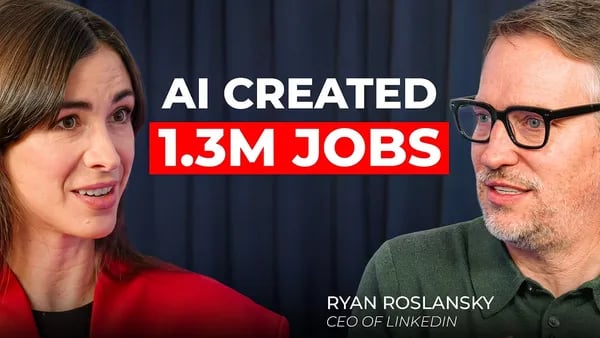
AI is not just automating jobs; it is also creating new roles and opportunities. LinkedIn reports the emergence of approximately 1.3 million AI-related jobs, including positions like data annotators, engineers, and data center specialists. These roles highlight a shift toward skill diversification and the importance of both technical and human skills.
"AI is a net positive addition to the job market, not something that's detracting jobs,"emphasizing that AI complements rather than replaces human work. While macroeconomic factors influence overall hiring trends, the rise of AI-driven roles signals a need for innovation and versatility in the workforce. Human skills such as creativity, curiosity, and communication now play a crucial role in working alongside AI, making adaptability and diverse skill sets more valuable than ever in the evolving labor market.
Essential Skills for Today's Job Seekers
In the evolving job market, mastering both AI literacy and soft skills is crucial. As AI continues to transform industries, understanding how to work alongside these technologies is vital. The key right now is to combine AI skills with human skills like creativity and communication. Soft skills such as teamwork, adaptability, and effective communication are increasingly valued, especially as traditional career paths become less predictable. Continuous learning and a broad, interdisciplinary skill set are essential, with over 25% of required skills changing in recent years and an expected 70% shift by 2030. Being adaptable and open to acquiring new skills will help job seekers stay relevant. Ultimately, success depends on blending technical expertise with human qualities like curiosity, compassion, and collaboration to navigate the dynamic job landscape effectively.
The Importance of Creators in the New Economy
The creator economy is rapidly gaining momentum, with millions now identifying as creators on platforms like LinkedIn. Currently, over 4 million members list creator as their official job title, reflecting a shift toward diverse career paths. This growth enables professionals to share their knowledge, showcase unique skills, and build personal brands beyond traditional roles. As Ryan Roslansky highlights, platforms like LinkedIn facilitate individual expression and help define new job titles in the evolving labor market.
“It’s amazing to watch this kind of new industry explode where creators are now recognized at Davos.”With the rise of creator roles, traditional career trajectories are expanding, offering more flexible, personalized, and innovative ways to succeed in the new economy.
Strategies for Career Development in an Evolving Market
In today’s changing job landscape, building a strong personal brand on LinkedIn is essential. Sharing authentic stories and insights through regular posts can help you stand out and grow your professional network.
"Telling your personal stories can really help grow your professional network."Networking as a creator opens doors to new opportunities, especially as traditional hiring slows down. Diversifying your skills through continued education or vocational training is vital, given the rapid evolution of required skills—over 25% have changed recently. Exploring vocational training options can provide practical, in-demand skills. Remember, investing in experiential learning and actively engaging on platforms like LinkedIn enhances your visibility and adaptability in a competitive market.
Conclusion: Adapting to Future Demands
The rapidly changing job market underscores the importance of career adaptability and lifelong learning. As AI continues to influence new roles and skills, staying flexible and open to change is essential for long-term employability. Embracing innovative career paths, such as micro-entrepreneurship or trade roles, can provide resilience in an evolving economy. Maintaining a proactive attitude towards skill development—especially in areas like AI proficiency and human skills like creativity and communication—will help individuals navigate market shifts effectively. An adaptable workforce, equipped with diverse skills and a growth mindset, is best positioned to thrive amid technological advancements and economic fluctuations. Ultimately, a forward-looking approach, combined with continuous education and openness to new opportunities, is key to meeting future job demands successfully.